Supreme Court Issues Landmark Opinion on Governor’s Powers Under Articles 200 & 201: Discretion Upheld, ‘Deemed Assent’ Rejected
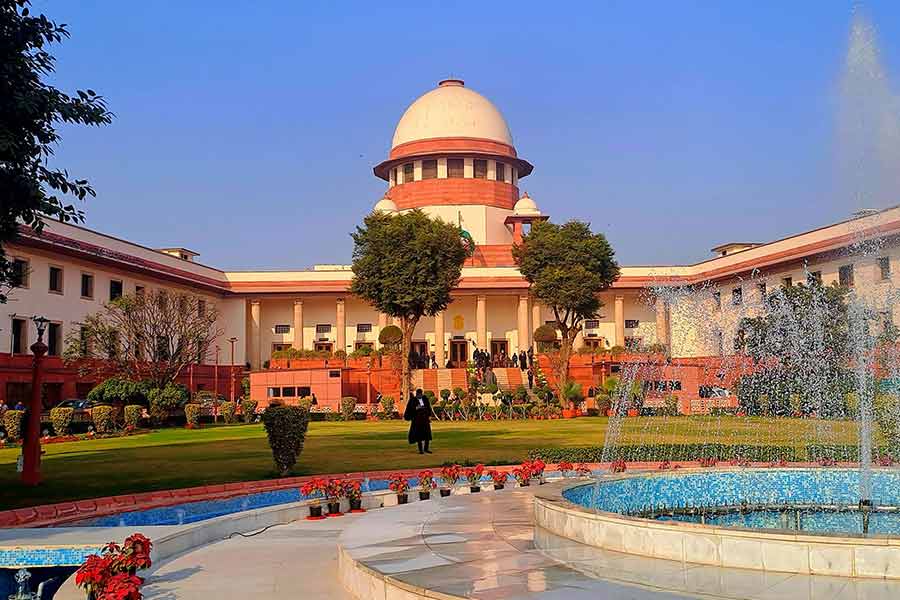
In a major constitutional ruling delivered in its advisory jurisdiction, a five-judge Bench of the Supreme Court on Thursday clarified the limits and contours of the Governor’s and President’s powers when assenting to State Bills under Articles 200 and 201 of the Constitution. The opinion was rendered in Presidential Reference No. 1 of 2025, comprising 14 questions concerning delays in gubernatorial assent and the controversial doctrine of deemed assent.
The Court categorically held that the Governor has three and only three constitutional options under Article 200—assent, reserve for the President, or withhold and return for reconsideration—and that these powers are exercisable in discretion and not bound by ministerial advice
Governor Has Discretion — Not Bound by Cabinet Advice
The Court held that while the Governor is expected to act with constitutional morality, the discretion under Article 200 is real and not ceremonial:
“The Governor enjoys discretion in choosing from these three constitutional options and is not bound by the aid and advice of the Council of Ministers.”
This marks a significant departure from the reasoning in State of Tamil Nadu v. Governor of Tamil Nadu (2025), which had tended to narrow gubernatorial discretion.
Court Rejects the Doctrine of ‘Deemed Assent’
A central issue was whether prolonged inaction by the Governor or President could lead to a judicially declared deemed assent. The Court emphatically rejected this:
“The Constitution… does not allow for the concept of ‘deemed assent’ of Bills.
The Bench called judicially created deemed assent “a takeover… of executive functions by the Judiciary” and held it constitutionally impermissible under Articles 200 and 201
No Judicially Imposed Timelines for Governors or the President
Reversing the six-week timeline laid down in State of Tamil Nadu, the Court held that the judiciary cannot prescribe deadlines:
“It would not be appropriate for this Court to judicially prescribe timelines for the exercise of powers under Article 200.”
The same conclusion was applied to the President’s functions under Article 201.
Limited Judicial Review: Only Against Prolonged, Unexplained Inaction
While the merits of the Governor’s choices are non-justiciable, the Court carved out a narrow window for judicial intervention:
“In glaring circumstances of prolonged, unexplained, and indefinite inaction, the Court can issue a limited mandamus directing the Governor to act.”
The Court reiterated that Article 361 protects the Governor personally but does not immunise the constitutional office from scrutiny where inaction paralyses the legislative process.
Governor’s Options After a Bill is Returned
The Court clarified a long-debated issue: after a Bill is returned and passed again by the Legislature, the Governor still has two options:
-
Grant assent, or
-
Reserve for the President,
but cannot withhold assent a second time.
This preserves legislative supremacy while allowing federal concerns—especially those implicating High Court powers—to be escalated to the President.
President’s Powers Under Article 201 Also Non-Justiciable
The Court held that the President’s decision to assent or withhold assent is not subject to judicial review, except that courts may intervene in cases of complete inaction analogous to the Governor’s case:
“For similar reasoning… the President’s assent under Article 201 too is not justiciable.”
Reference Cannot Be Used to Overrule Earlier Judgments
Several States argued the reference was an attempt to bypass or overturn State of Tamil Nadu. The Court reaffirmed constitutional limits on Article 143:
“The President can refer a question of law only when this Court has not decided it.”
However, the Court clarified it may refine or clarify the “view of law” expressed in earlier judgments where necessary.
More Links
